
Dubai chocolate is a highly textured culinary invention that combines a crisp chocolate shell with a dense, crunchy filling made of toasted spun pastry and pure pistachio paste. When you break it open, the interior does not ooze. Instead, it reveals a tightly packed, vibrant green centre that cracks audibly as you bite into it. For anyone exploring the Dubai chocolate Singapore options available today, understanding this dessert requires looking past the initial novelty. It is a confection built entirely around the contrast between smooth tempered chocolate and aggressive, buttery crunch.
What Is Dubai Chocolate?
At its core, this dessert is an architectural approach to chocolate making. A standard filled chocolate bar usually features a thin shell designed to melt quickly alongside a soft interior of caramel or smooth praline. Dubai chocolate flips this ratio.
The outer chocolate shell is cast significantly thicker to provide structural support. Inside this sturdy casing sits a heavy, moisture-sensitive filling composed of three main ingredients. The foundation is pure pistachio cream, which acts as a rich, nutty binder. Suspended within this cream are thousands of finely chopped heavily toasted threads of kataifi pastry. Finally, many recipes incorporate a measured touch of sesame tahini to provide a slightly savoury undertone. The resulting confection demands active chewing, forcing the eater to experience the sharp snap of cocoa, the roasted warmth of the pastry, and the deep earthiness of the nuts in a deliberate sequence.
Where Did the Original Dubai Chocolate Trend Begin?
The concept was developed in the United Arab Emirates by Fix Dessert Chocolatier. The founder, Sarah Hamouda, began experimenting with highly textured pastry fillings to satisfy specific pregnancy cravings for confections that offered more substance than conventional soft chocolates.
The specific creation that captured international attention was named “Can’t Get Knafeh of It”. These initial bars were produced in small, localized batches and were distinguished by their thick molds and colourful, hand-painted cocoa butter designs on the exterior. The brand operated on a strict, limited delivery schedule within Dubai. This deliberate scarcity meant that international consumers could not simply order the product online.
As travellers brought the bars overseas and pastry chefs began analysing the cross-section photographs, the concept transformed. Rather than remaining a proprietary branded item, the pistachio and kataifi core became an open-source culinary framework. Chocolatiers globally began interpreting the flavour profile using their own specific techniques.
What Is Pistachio Cream and Kataifi?
To understand how this dessert functions, you must understand its two central components. Kataifi is a traditional Middle Eastern pastry dough. It is created by pouring a simple wheat and water batter through incredibly fine nozzles onto a hot spinning metal plate, which instantly cooks the batter into delicate, thread-like filaments. In classical regional desserts, these soft pastry threads are wrapped around mild cheeses or nuts, baked, and heavily soaked in sweet, fragrant syrups.
For pistachio kunafa chocolate Singapore variations, the preparation of the pastry is entirely different. Pastry chefs chop the dry kataifi into uniform, short lengths and toast it in a pan with clarified butter until it is deeply browned. It is never exposed to sugar syrups or water.
Pistachio cream, the second component, is a dense nut butter created by stone-grinding roasted pistachio kernels until they release their natural oils and form a smooth paste.
Why Does Pistachio-Kunafa Chocolate Have a Distinctive Texture?
The enduring appeal of the pistachio-kunafa combination is rooted in the science of moisture control. When toasted pastry threads are mixed with a standard water-based ganache, the starch molecules in the wheat absorb the ambient moisture within minutes. This turns the delicate pastry soft and soggy.
Pure pistachio paste consists almost entirely of natural plant fats and proteins. When the toasted, butter-coated kataifi threads are folded into the pure pistachio paste, the nut oils create a hydrophobic barrier around the pastry. This fat barrier completely shields the starch from moisture. As a result, the pastry maintains an intense, shattered-glass crunch for days while suspended inside the chocolate shell.
The flavour chemistry is equally important. Pure pistachios carry a natural earthiness and a gentle saltiness that cuts through the sugar content of the chocolate. The clarified butter used during the toasting process infuses the kataifi with rich, caramelized notes. When you eat the chocolate, the cocoa bitterness hits your palate first, followed immediately by the toasted butter aromatics and finally the lingering savoury finish of the roasted nuts.
How Did Dubai Chocolate Become a Global Food Trend?
The rapid international adoption of this dessert was driven heavily by its sensory characteristics, which translated perfectly to digital video formats. A standard chocolate truffle looks identical on the outside and the inside. In contrast, the visual reveal of a pistachio kunafa chocolate bar is immediate and striking. The vivid green filling packed tightly against a dark chocolate border provides a stark, appealing colour contrast.
Furthermore, the texture translates seamlessly into audio feedback. The sharp snap of the thick tempered chocolate followed by the loud, flaky crunch of the toasted kataifi provided a multi-sensory experience that viewers wanted to replicate. Consumers were not merely curious about the taste; they wanted the tactile satisfaction of breaking the bar and experiencing the aggressive texture firsthand.
How Has the Dubai Chocolate Trend Evolved?
The initial rush for imported chocolate bars has shifted into a more refined appreciation for the flavour combination itself. Pastry chefs quickly realized that the interplay of creamy pistachio, crunchy toasted pastry, and rich cocoa could be applied to a wide variety of dessert formats.
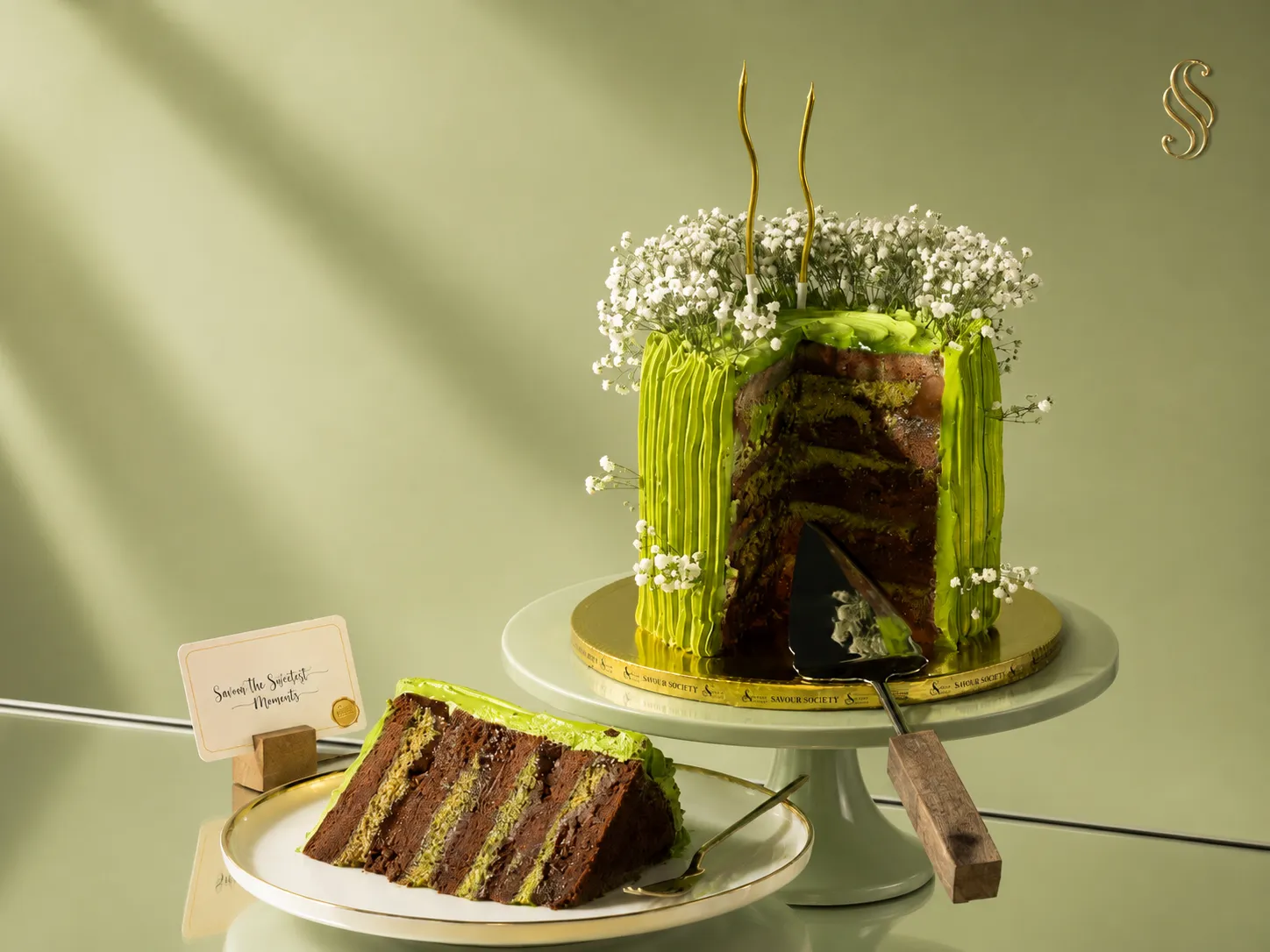
If you search for Dubai-style chocolate Singapore options today, you will find the flavour profile reimagined by skilled local kitchens. For example, the concept translates beautifully into large-format celebration cakes. A prime example is the Dubai-inspired pistachio kunafa cake, which is built with moist chocolate sponge layered directly with dark chocolate ganache, pistachio praline, and crisp pistachio kunafa. The entire creation is then finished with roasted pistachios and crisp golden kataifi to ensure the signature crunch remains prominent.
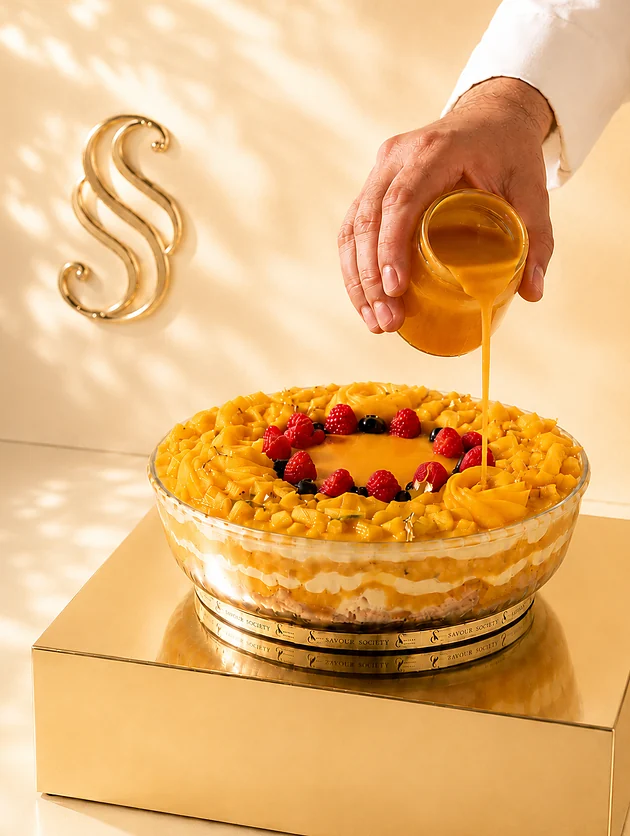
For consumers seeking the exact flavour profile in a highly portable format, bakeries have engineered modern layered variations. The layered pistachio kunafa dessert tin encapsulates the experience by combining dark chocolate sponge, rich chocolate ganache, crunchy pistachio kataifi, and roasted pistachios inside a convenient 330-gram can.
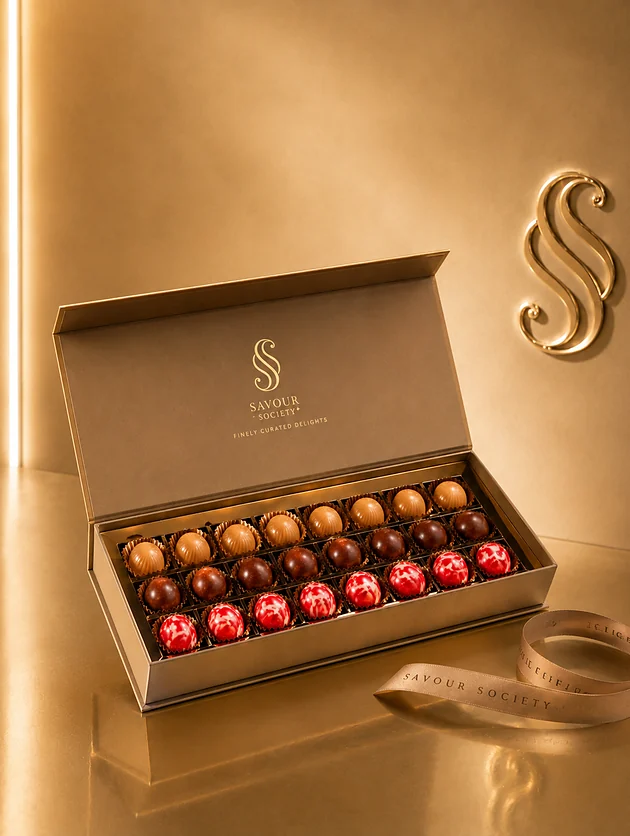
The flavour profile has even been refined down to the size of a single bite. High-end chocolatiers now include the pistachio and crisp golden kunafa filling inside premium 35 percent milk chocolate shells, often available within larger artisan chocolate bonbon collections. This evolution proves that the combination of toasted butter pastry, high-quality nut butter, and tempered chocolate is a genuinely excellent culinary trio that holds up across entirely different pastry disciplines.
What Should You Look for When Buying Dubai-Style Chocolate in Singapore?
Singapore’s tropical heat presents specific challenges for storing and delivering filled chocolates. When evaluating your options, keep these practical criteria in mind to ensure you receive a quality product.
First, check the ingredient sourcing. Lower-quality commercial interpretations frequently cut costs by blending green food colouring, almond essence, and white chocolate frosting to mimic real pistachio. A genuine filling uses pure, stone-ground pistachios. The chocolate shell should also break with a clean, sharp snap. If the chocolate is soft or waxy, it may contain cheaper vegetable fats instead of pure cocoa butter.
Freshness is another critical factor. Kataifi begins to absorb ambient humidity the moment it is exposed to air. Freshly toasted batches produced locally in Singapore retain a significantly better crunch than imported bars that have sat on cargo ships for weeks.
Finally, consider the delivery logistics. Cocoa butter begins softening rapidly in local weather conditions. When looking for Dubai chocolate delivery Singapore services, ensure the bakery utilizes proper cold-chain or temperature-controlled dispatch. Reliable local bakeries will deliver these delicate items directly to your door in specialized time slots to prevent the chocolate from blooming or melting during transit.
Frequently Asked Questions
Where can you buy Dubai chocolate in Singapore?
You can purchase these confections from specialized local bakeries, artisan chocolatiers, and online dessert boutiques that make their products fresh locally. Buying from Singapore-based kitchens ensures the kataifi pastry remains exceptionally crunchy, and the chocolate does not suffer from heat damage during international transit.
How much does Dubai chocolate cost in Singapore?
The Dubai chocolate price Singapore consumers can expect to pay varies entirely based on the format and the quality of the pistachio paste used. A single-serving dessert can feature the signature flavours costs S$20.00. Meanwhile, a large, handcrafted 6-inch artisan cake designed for celebrations is priced at S$188.00.
What is the difference between original Dubai chocolate and Dubai-style chocolate?
The original product refers specifically to the thick, hand-painted bars created by Fix Dessert Chocolatier in the United Arab Emirates. Dubai-style chocolate refers to the broader culinary technique of combining tempered chocolate with a filling of pure pistachio paste and toasted kataifi pastry, which is now practiced by pastry chefs worldwide.
What makes pistachio-kunafa chocolate crunchy?
The signature crunch comes entirely from kataifi, a finely spun, thread-like phyllo dough. The raw pastry is chopped into small pieces, thoroughly toasted in butter until it becomes deeply golden and crisp, and then folded into the filling.
Does the kunafa filling stay crunchy?
Yes, when prepared correctly. Because the toasted pastry is folded directly into pure pistachio paste (which is rich in natural fats), the nut oils coat the pastry threads. This creates a barrier that prevents the pastry from absorbing moisture, allowing it to stay crunchy for days.
How should Dubai chocolate be stored in Singapore?
Due to the high ambient heat and humidity, these items require careful storage. Keep cakes and desserts refrigerated to protect their structure. To ensure the best flavour release, take them out 20 to 25 minutes before serving so the textures come through fully. These desserts are best enjoyed within 2 days. Solid chocolates keep longer and should be stored in a cool, dry place away from direct sunlight.