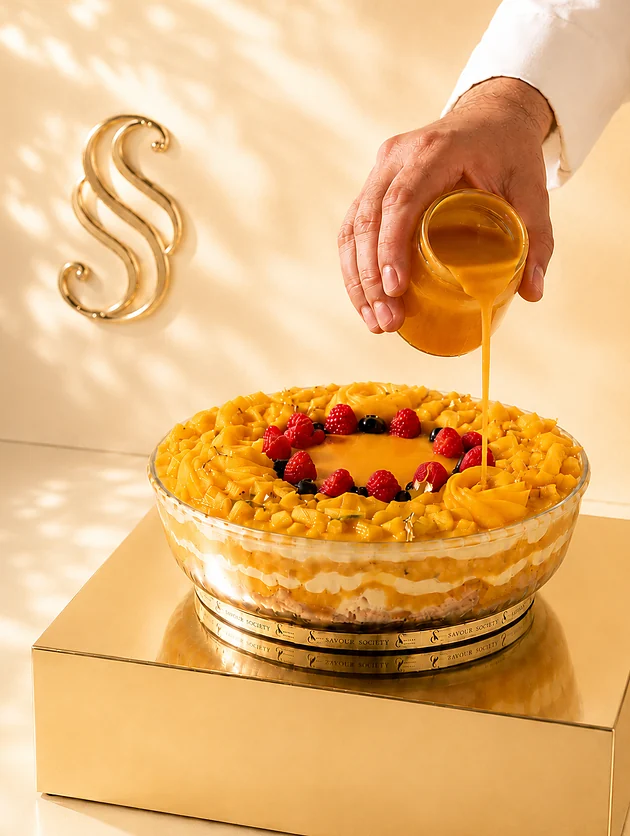

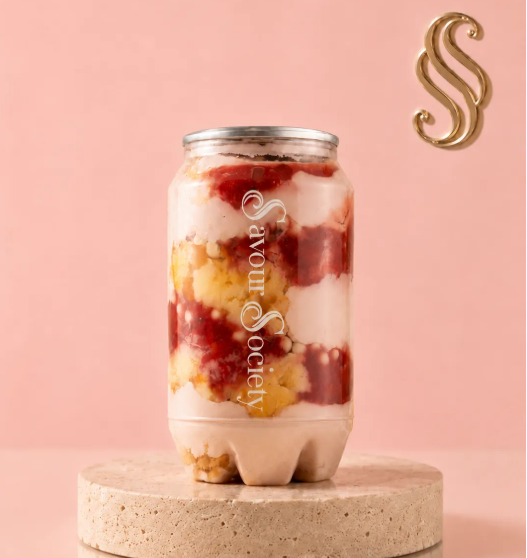
A layered dessert housed within an individual tin or aluminium container provides a distinct alternative to standard baked goods. This format allows bakers to build soft sponges, rich creams, and delicate fillings vertically while keeping everything protected inside a compact vessel. Rather than cutting slices from a larger centrepiece, diners simply peel back the top and eat directly from the container.
When exploring the concept of a cake in a can Singapore dessert lovers are discovering a highly practical format. The concept caters to modern dining habits where convenience, portion control, and varied flavour preferences often take priority over a single shared dessert. Understanding the structure and logistics of this format helps clarify whether it suits your next celebration, casual gathering, or corporate event.
What Is a Canned Cake Dessert?
Understanding the physical structure of this dessert explains why it behaves differently from standard pastries. The container acts as the final serving dish, holding multiple components together. Bakers assemble the dessert by layering wet and dry ingredients sequentially. A typical construction might include a base of syrup-soaked sponge, a middle layer of mousse or fresh fruit compote, and a top layer of whipped cream, ganache, or toasted nuts. The sealed lid helps protect the dessert during transport and storage, while proper refrigeration keeps it fresh.
Because the rigid sides of the container support the ingredients, pastry chefs can use softer, creamier elements that might otherwise collapse in a free-standing slice. This vertical architecture results in a notably moister texture overall.
How It Differs from Traditional Cakes
Comparing a canned dessert to a standard baked tier reveals significant differences in preparation, enjoyment, and logistics.
- Serving Style: A standard bake requires a flat surface, a large sharp knife, plates, forks, and a serving spatula. The canned format bypasses this entire process. Guests simply need a spoon to enjoy their portion.
- Portion Control: Slicing a round dessert evenly can be complicated, especially for odd numbers of guests or large groups. Pre-portioned containers eliminate the guesswork entirely. They ensure every person receives an exact, equal amount of sponge, cream, and topping without any messy edge pieces.
- Moisture Retention: Once sliced, cakes are exposed to air, which can cause them to dry out and lose their soft texture over time. An enclosed container protects the delicate crumb and dairy elements from the circulating air of a refrigerator until the exact moment the diner is ready to eat.
- Visual Presentation: Standard bakes rely on exterior frosting, intricate piping, and decorative borders for their visual appeal. Canned desserts rely on the reveal. The visual impact happens when the lid is removed, showcasing the beautifully finished top layer.
When Does This Format Make Sense?
Choosing the right dessert format depends entirely on the occasion, the venue, and the guests. The canned format excels in situations where logistics, space, and varying preferences present a challenge.
- Office Celebrations: Workplace birthdays often involve awkward slicing in a breakroom with flimsy paper plates. Individual containers allow colleagues to grab a portion easily, eat at their desks if they are busy, and avoid the mess of cutting a large tier.
- Outdoor and Casual Gatherings: Picnics, barbecues, and outdoor parties in warm tropical weather make standard buttercream extremely difficult to manage. Enclosed portable desserts protect the sweet treats from heat, humidity, and insects until the exact moment it is time to eat.
- Compact Living Spaces: Refrigerator space is often limited. Finding room for a large, tall bakery box can require rearranging the entire fridge. Small cylindrical containers can be tucked into corners, placed on side door shelves, or stacked neatly on top of one another.
- Dietary and Flavour Preferences: When hosting a group, choosing one flavour to satisfy everyone is notoriously difficult. Individual containers allow hosts to order a mix of chocolate, vanilla, fruit, and coffee flavours. Every guest gets exactly what they want without compromise.
Gifting and Individual Portions
Sending a sweet treat to a friend, client, or family member requires careful thought about how the item will arrive and be consumed. Sending a massive, frosted tier to a single person or a small couple can feel overwhelming. They may struggle to finish it before it spoils, turning a generous gift into a logistical burden.
The canned format provides a much more manageable solution. It allows the sender to provide a high-quality sweet without creating an excess of leftovers. As one of the most versatile dessert gifts Singapore has to offer, this format feels personal and considerate. A sealed tin is sturdy, visually interesting, and feels like a complete, standalone present.
This format also works beautifully for corporate gifting or thank-you packages. Delivering multiple separate units to an office ensures that the receptionist does not have to find a knife and plates for the entire team. When searching for cake gifts Singapore residents can easily store and distribute, this format stands out for its sheer practicality.
Comparing Container Formats: Tin vs Glass
Shoppers will often see different types of enclosed desserts on the market. Understanding the nuances between an aluminium container and a glass vessel can help with ordering decisions.
The structural concept is identical. Both formats build ingredients vertically and rely on the rigid walls of the vessel for support. However, weight and transparency differ significantly. Glass jars are heavy and fragile. They offer the distinct advantage of showcasing the beautiful layers from the outside, allowing diners to see exactly what they are about to eat. If you are comparing this to a cake in jar Singapore bakeries provide, you will notice that glass is chosen specifically for its visual charm.
In contrast, an opaque tin container keeps the contents hidden until opened. This creates a fun element of surprise. Furthermore, metal containers are significantly lighter, making them easier to carry in bulk. They also block out light completely, which helps preserve the vibrant colours of fruit curds or sensitive ingredients inside.
How Should You Serve It?
Despite the casual nature of the packaging, proper serving techniques enhance the tasting experience immensely.
- Temperature Control: Most layered desserts containing dairy, mousse, or fresh fruit require constant refrigeration. However, eating them straight from the coldest part of the fridge mutes the flavours. Taking the containers out ten to fifteen minutes before serving allows the sponge to soften slightly and the creams to release their full aromatic profile.
- Eating Directly vs Plating: The entire purpose of this format is to eat it straight from the vessel. Attempting to scoop the contents out onto a plate will only result in a messy, visually unappealing pile. The structural layers are specifically designed to be scooped vertically.
- The Right Utensil: A long-handled dessert spoon or a standard teaspoon is the only requirement. Diners should be encouraged to dig all the way to the bottom of the container with their first bite. This ensures they get a taste of the base sponge, the middle filling, and the topping simultaneously, experiencing the intended texture contrast.
Flavours and Layer Combinations
The vertical construction allows for creative texture contrasts that might weaken a standard freestanding bake. Bakers can use highly saturated syrups, loose curds, and ultra-soft creams without worrying about structural integrity.
Classic combinations often feature a light vanilla sponge soaked in strawberry syrup, layered with fresh chopped berries and mascarpone cream. Chocolate variations might pair a dense, fudge-like brownie base with a light milk chocolate mousse and a topping of crunchy cacao nibs. The moisture stays locked inside, keeping the sponge perfectly tender.
Coffee-based flavours perform exceptionally well in this format because the base sponge can hold a significant amount of liquid without compromising the dessert. For example, a tiramisu cake Singapore dessert lovers enjoy can feature layers of coffee-soaked sponge and creamy mascarpone, making it suitable for individual containers.
What Should You Consider Before Ordering?
Logistics play a critical part in selecting the right dessert. When planning an event or sending a gift, keep these practical factors in mind to ensure a smooth experience.
- Group Size: Count exactly how many people will be attending. Order one unit per person, perhaps adding one or two extras to account for unexpected guests or larger appetites.
- Allergies and Dietary Needs: The individual format makes it incredibly easy to accommodate specific dietary restrictions. Check with the bakery about available dietary options and allergen handling before ordering. Separate containers make serving easier but do not guarantee protection against allergen cross-contact.
- Transport and Delivery: Stacking flat, sealed containers in a car or handing them to a courier is much safer than transporting a tall, fragile tier. When scheduling a cake delivery Singapore logistics are much simpler with robust tins, as couriers can handle them without fear of damaging delicate exterior frosting.
- Storage Capabilities: Always check the available refrigerator space at the destination. If sending a package to a busy office, standard cylindrical containers take up far less space in the communal fridge than a large square bakery box.
When Individual Portions Work Better
Sometimes, breaking away from the tradition of a single large centrepiece is simply the most logical choice. Among the various individual desserts Singapore offers, the tin format is exceptionally robust for tropical climates were minimizing a sweet’s exposure to warm air is highly beneficial.
Separate portions can be more practical when guests have different flavour preferences. They are also ideal for events without a formal sit-down meal, such as cocktail parties, networking events, or casual afternoon teas. Guests can comfortably hold their sweet treat in one hand and mingle, which is nearly impossible with a standard plate and fork.
Choosing Between a Full Cake and Individual Portions
Making the final decision requires looking at the main goals and structure of your event. Here is a simple framework to help you choose.
Consider a traditional full-sized bake when:
- The visual impact of a large centrepiece is required for photographs.
- The event includes a formal cutting ceremony, such as a wedding or a milestone birthday.
- All guests are happy to share one single flavour profile.
- The gathering is seated, and plates, forks, and a table are readily available.
Consider the canned or individual format when:
- Guests have wildly varying flavour preferences or strict dietary restrictions.
- The event is casual, and guests will be standing or moving around the venue.
- Transporting the dessert safely over a long distance is a primary concern.
- You want to simplify the serving process and avoid cutting and plating slices.
- You are sending a gift to a small household or a busy corporate office.
Both formats hold an important place in modern celebrations. Understanding the practical mechanics of your gathering will guide you toward the most appropriate, stress-free choice for you and your guests.
Frequently Asked Questions
What is cake in a can?
It is a layered dessert built directly inside an aluminum or tin container. It typically consists of alternating layers of sponge, cream, fruit, or syrups. The rigid container acts as both the structural support for the soft ingredients and the final serving vessel.
How should this type of dessert be served?
It should be eaten directly from the container using a spoon. There is no need to transfer it to a plate. For the best flavour and texture, remove the container from the refrigerator about ten to fifteen minutes before serving to allow the ingredients to soften slightly.
Is this format suitable for gifting?
Yes, it is highly practical for gifting. The sealed container protects the dessert during transit, prevents messy spills, and offers built-in portion control. It is especially useful for sending to single individuals, couples, or offices where a full-sized bake might create unwanted leftovers.
How should individual enclosed desserts be stored?
They should be kept in the refrigerator until shortly before serving, especially if they contain fresh dairy, cream, or fruit. The sealed lid naturally protects the sponge from drying out and prevents the dessert from absorbing other odours in the fridge.
Is this format suitable for office celebrations?
It is an excellent choice for the workplace. It eliminates the need for cutting utensils, serving spatulas, and paper plates. Colleagues can easily take a container, eat at their own pace, and store it cleanly in the office fridge if they cannot finish it immediately.
What is the difference between a tin container and a glass jar format?
Both formats hold layered ingredients vertically. Glass jars allow you to see the layers from the outside but are heavier and more fragile to transport. Tin containers are much lighter, block out light to preserve ingredient colours, and offer an element of surprise when the lid is removed.