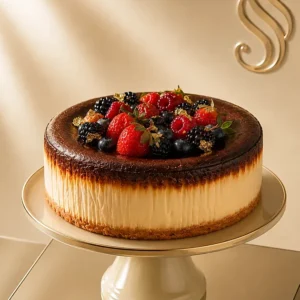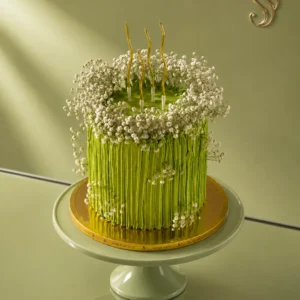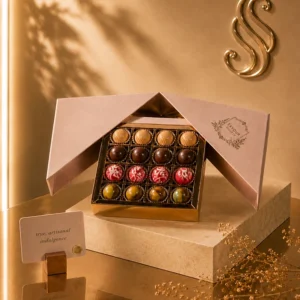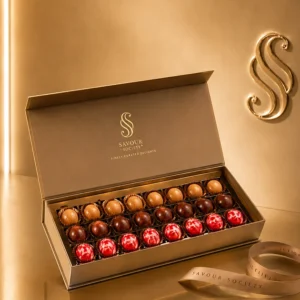

Hosting a smaller guest list changes the entire dynamic of event planning. When you invite fewer people, the focus naturally shifts from volume to quality. Every detail becomes more visible, and the dessert course remains a central focal point. Whether you are hosting a quiet family dinner, an office milestone for a close team, or a weekend gathering with your best friends, the sweet finish anchors the event. Choosing small celebration cakes depends on understanding your exact guest count, the specific occasion, the flavour preferences of your group, and how you intend to serve the meal. A thoughtfully selected dessert ensures every person receives a generous portion, while saving you from dealing with excessive leftovers that take up valuable refrigerator space for a week.
The Dynamics of a Tighter Guest List
Catering to a massive crowd usually requires culinary compromises. You often have to choose the most generic flavours and the largest possible sizes just to ensure everyone gets a piece. With a reduced headcount, you have the freedom to be highly specific and thoughtful with your menu.
You likely know the exact dietary requirements and taste preferences of every person sitting at the table. If one person out of six is lactose intolerant or prefers gluten-free options, accommodating that need is straightforward. You can focus heavily on premium ingredients, intricate flavour profiles, and visual artistry. This level of personalization shows your guests that you considered their tastes directly. Planning dessert for a compact group is an opportunity to experiment with textures and ingredients that might be too complex or polarizing for a large banquet.
What Cake Size Works for Your Gathering?
Selecting the correct size is the most practical decision in the planning process. It dictates the visual impact on your dining table and determines the portion sizes. The goal is to provide a satisfying slice for everyone present, perhaps leaving just enough for a cup of coffee the next morning.
When looking at cakes for small gatherings, bakeries generally categorise them by the diameter of the baking tin.
- Four-inch sizes usually serve two to four people. This size is highly recommended for couple anniversaries, a quiet dinner with roommates, or a low-key birthday at home.
- Six-inch sizes yield between six and eight portions. This is the standard choice for most home dinners and modest family events. It provides enough height and presence to look impressive without being overwhelmingly large.
- Eight-inch sizes can serve up to twelve people comfortably. If you have guests who appreciate larger slices, or if dessert is the only sweet item being served after a very light meal, this size provides a safe buffer.
Always factor in the height of the bake. A tall six-inch tier will yield more servings than a traditional flat sponge of the same diameter because the slices can be cut thinner while still providing a substantial portion. Furthermore, the way you slice matters. Cutting in a grid pattern rather than traditional wedges can often yield more portions from a single bake.
Matching the Style to the Occasion
The visual presentation should reflect the specific nature of your event. A formal dinner party calls for something distinctly different than a casual Sunday afternoon tea.
- For a refined evening meal: Elegant finishes such as smooth Swiss meringue buttercream, fresh floral accents, or a glossy chocolate mirror glaze work beautifully. These finishes look sophisticated under dim dining room lighting and pair effortlessly with after-dinner drinks.
- For an intimate home birthday: whimsical designs, textured piping, or fresh fruit toppings can create a fun and celebratory look without requiring a massive, multi-tiered structure that dominates the room.
- For a daytime office gathering: Consider something that is easy to slice and serve quickly. Pound cakes, classic sponge bases, or rustic naked styles are highly practical. They hold their shape well at room temperature and do not require elaborate plating or delicate handling in a busy office pantry.
When to Consider Compact and Individual Portions
Sometimes a single large centrepiece is not the best logistical fit for your event. If your venue has limited table space, or if you prefer a modern approach to serving, individual portions offer a highly effective alternative.
Serving mini cakes Singapore style allows hosts to offer multiple flavours at once. This solves the common problem of choosing between rich chocolate and light fruit flavours when guests have divided preferences. Individual portions also eliminate the need to slice and plate during the event, allowing the host to relax and spend more time conversing with guests.
Compact options also work well for outdoor picnics, beach gatherings, or park settings where bringing a heavy ceramic stand, a sharp knife, and multiple plates might be cumbersome. They offer a hygienic, fuss-free way to distribute dessert while maintaining a premium feel.
Flavours That Suit Different Guests
Understanding the collective palate of your group is much easier when the headcount is low. However, you still need a flavour profile that appeals to everyone present.
If your group spans multiple generations, classic flavours are usually the safest approach. Vanilla bean, light chocolate, and fresh strawberry are universally appreciated. Older guests often prefer desserts that are less sweet and lighter on the stomach. For these groups, chiffon bases or tea-infused flavours like Earl Grey, jasmine, and matcha are excellent choices that provide depth without excessive sugar.
For a group of adventurous food lovers, a reduced guest list gives you permission to try bolder combinations. You might explore yuzu, passionfruit, pistachio, black sesame, or salted caramel. Using local and regional flavour profiles like pandan or gula melaka also adds a comforting, familiar touch to the menu.
When in doubt, choose a neutral base like vanilla or light sponge, and introduce complex flavours through the fillings, curds, and frostings.
Dessert Pairings That Complete the Table
Even with a beautifully crafted centrepiece, you might want to offer a little variety. Creating a balanced dessert spread prevents palate fatigue and accommodates guests who might only want a small bite of sweetness to end the meal.
When researching dessert ideas for parties, look for items that contrast heavily with your main slice. If you have a rich, heavy chocolate dessert, pair it with light, tart accompaniments like fresh berries, lemon tarts, or fruit sorbet. The acidity of the fruit will easily cut through the richness of the chocolate.
If your main bake is a light, airy sponge, you can offer richer side items like dark chocolate truffles, baked cheesecakes, or macarons. Textural contrast is also important. Pair soft creams with crunchy cookies or roasted nuts.
Beverages are a crucial part of the pairing ecosystem. Ensure you have good quality brewed coffee, a selection of non-caffeinated teas, or a dry sparkling beverage to cleanse the palate between bites.
Elevating the Mood of Your Event
The way you present the food contributes heavily to the atmosphere of the room. You do not need professional catering equipment to make a home setting feel incredibly special.
There are many simple intimate celebration ideas you can use to upgrade the dining experience. Always remove the bake from its cardboard delivery box before your guests see it. Place it on a proper ceramic stand, a slate board, or a flat serving platter. This single step instantly elevates the presentation from a casual takeaway to a formal dessert course.
Consider your lighting carefully. Dim the harsh overhead lights and use candles, both on the dessert itself and scattered around the dining room. Use real ceramic plates and proper metal forks rather than disposable paper and plastic options, even for a very casual gathering. The tactile experience of real tableware makes the food taste better and the event feel more significant. You can also garnish the serving plates with a dusting of icing sugar, a swirl of fruit coulis, or edible flowers for a restaurant-quality finish.
Practical Details to Check Before Ordering
Logistics matter greatly, especially in a tropical climate. Before you finalise any order, consider the practical steps of getting the dessert from the bakery to your dining table safely.
First, check your refrigerator capacity. If you are preparing a large meal, your fridge might already be completely full of savoury ingredients and drinks. Measure the height of your fridge shelves to ensure the delivery box will fit inside without crushing the top decorations.
Second, factor in the ambient temperature. In a warm, humid environment, buttercream, cream cheese frostings, and delicate mousses can soften and melt rapidly. Plan your collection or delivery time so the dessert does not sit in a warm car or on a hot kitchen counter for too long. If you are picking it up yourself, place the box flat on the floorboard of the car, never on an angled car seat, and turn the air conditioning up.
Finally, remember to bring the dessert to room temperature before eating. Most bakes taste best when they have been taken out of the fridge for about thirty to forty-five minutes. This allows the butter in the sponge to soften, resulting in a vastly improved texture and allowing the complex flavours to open properly.
Frequently Asked Questions
What size cake is suitable for a small gathering?
For a group of four to six people, a six-inch bake is generally the most suitable choice. It provides generous individual slices while maintaining a beautiful visual presence on the table. If you are hosting only two to three people, a four-inch option is highly practical and reduces the chance of unwanted leftovers.
How many cake flavours should I serve for a small group?
For a single centrepiece, sticking to one cohesive flavour profile is best to avoid clashing tastes. However, if you are unsure of guest preferences, choose a crowd-pleasing base like vanilla or light chocolate, and offer varied side desserts such as fruit tarts or macarons to provide alternative flavour options.
What cake flavours are suitable for mixed-age gatherings?
When serving multiple generations, balance is key. Older guests often prefer lighter, less sweet options like sponge layers infused with tea, citrus, or pandan. Younger guests might lean towards richer chocolate or caramel. A classic vanilla bean sponge with a light fruit curd filling is an excellent middle ground that usually pleases everyone.
How far in advance should I order a celebration cake?
For a standard design, placing your order at least three to five days in advance is generally recommended to secure your preferred delivery slot. If you require specific dietary accommodations or highly customised decorations, reaching out one to two weeks ahead ensures the bakery has ample time to prepare the ingredients.
How should a cake be stored before serving?
Most cream-based or frosted desserts should be kept in the refrigerator until the event begins. Keep the bake in its original box to protect it from absorbing other food odours in the fridge. Ensure you take it out approximately thirty minutes before serving so the sponge can soften to the perfect eating texture.
What desserts pair well with a celebration cake?
To create a balanced dessert table, choose items that offer contrasting textures and flavour profiles. If you are serving a rich, dense main dessert, pair it with light, acidic options like a fresh berry salad or lemon sorbet. If the main slice is light, serve richer accompaniments like dark chocolate truffles or buttery cookies.