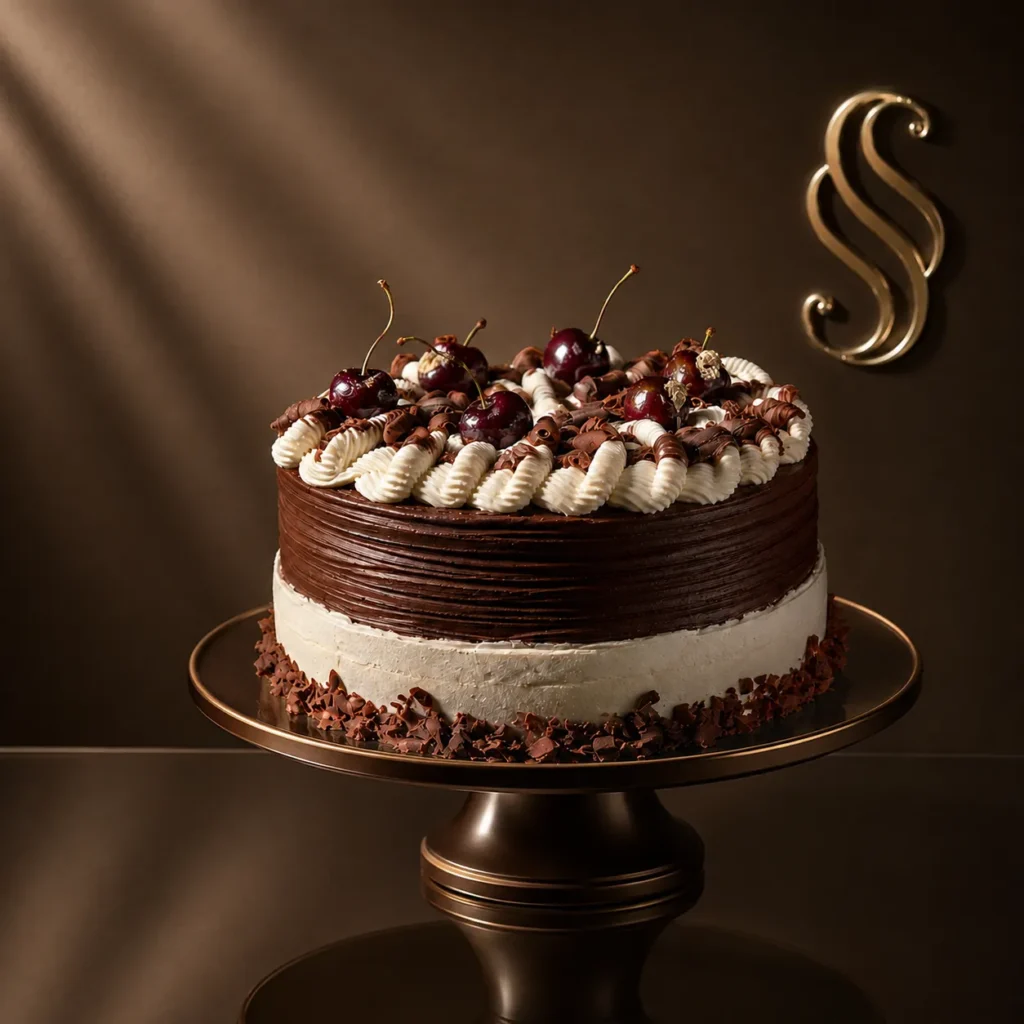

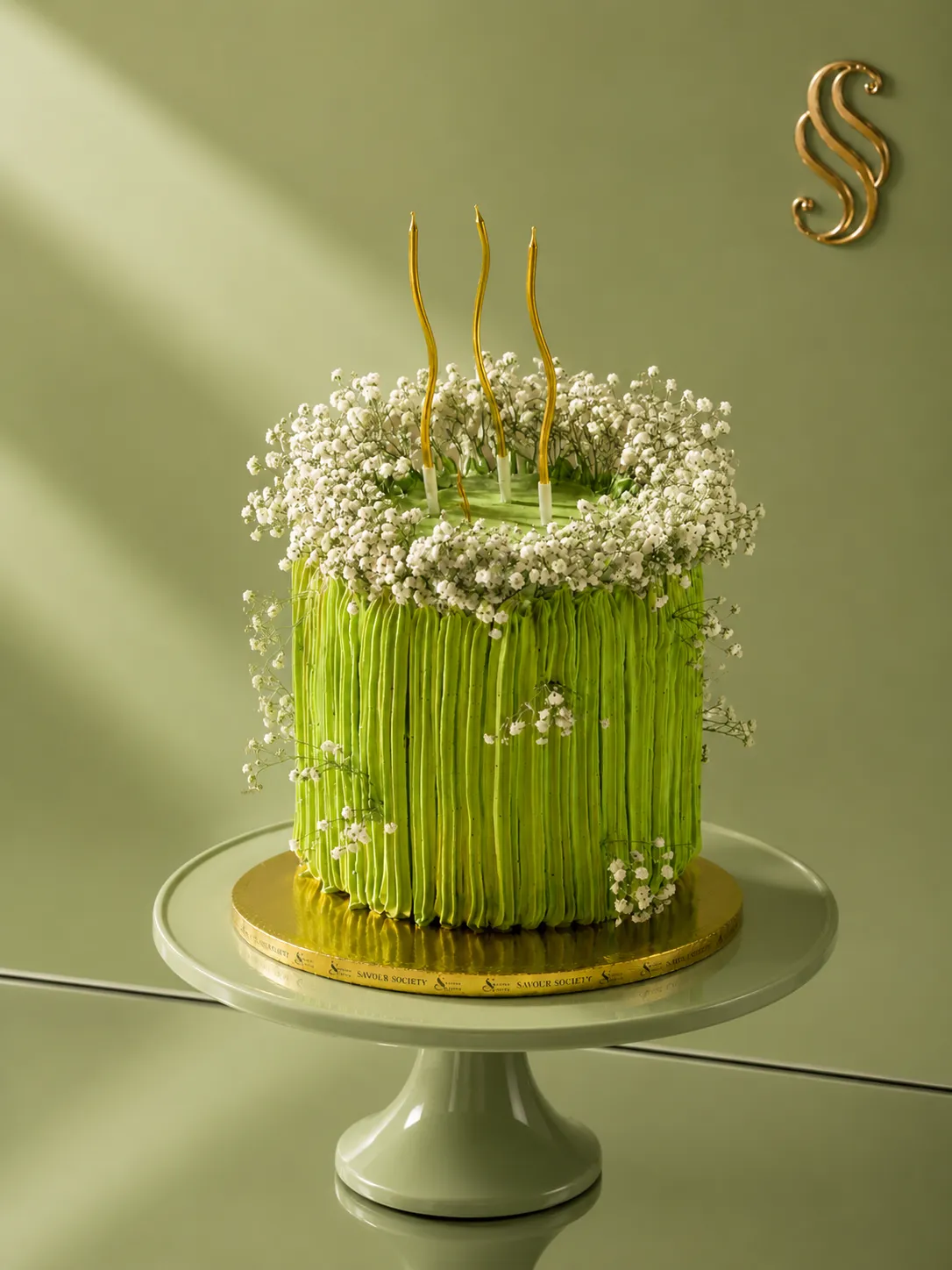
What makes an artisan cake different from a regular cake? It is a common question for anyone trying to decide on the right dessert for an upcoming event. While it is easy to assume that the difference simply comes down to a more elegant appearance or a higher price tag, the reality goes much deeper. The factors that distinguish an elevated bake from a standard one are woven throughout the entire process from the initial ingredient choices to the final hand-piped finishing.
With a growing appreciation for fine desserts, understanding the artisan cakes Singapore has to offer can help you make an informed decision for your next event. Choosing a cake is no longer just about picking a basic flavour off a shelf. Instead, it involves evaluating craftsmanship, preparation methods, flavour balance, texture, freshness, and an overarching attention to detail that transforms a simple dessert into a memorable part of any occasion.
Artisan Cake vs Regular Cake: What Is the Difference?
Understanding the difference between an artisan cake and a regular cake comes down to evaluating how they are made, the materials used, and the overall experience they provide. While a regular cake can still be highly enjoyable and perfectly adequate for casual gatherings, the distinction usually lies in the production style and the level of detail applied behind the scenes.
Here is a breakdown of how the two styles generally compare:
- Production approach: Regular cakes are often produced in large volumes using commercial equipment to maximise output, whereas artisan baking focuses on small-batch production that prioritises individual attention for every single order.
- Level of craftsmanship: An artisan approach requires trained hands to mix, layer, and frost each dessert, making slight adjustments based on the kitchen environment. Mass production typically relies on automated depositing and icing machines to ensure strict uniformity.
- Ingredient selection: Artisan kitchens tend to prioritise specific ingredient origins, such as premium dairy or single-origin chocolate. Regular cakes often use more industrial ingredients designed for cost-efficiency and long shelf stability.
- Flavour development: Artisan recipes often focus on balancing sweetness with complementary notes like acidity or salt, creating a nuanced profile. Regular cakes frequently lean toward straightforward, generic sweetness.
- Texture: A regular cake is often engineered to be uniformly soft. In contrast, an artisan bake may incorporate contrasting textures, such as a crunchy praline base beneath a smooth mousse and a tender sponge.
- Decoration and finishing: While regular cakes often feature template-based, repeatable decorations, artisan creations are typically hand-finished with unique, carefully applied details.
- Freshness: Regular cakes may be baked, frozen, and stored for extended periods before sale. Artisan cakes are usually prepared closer to the time of collection to maximise aroma and moisture.
- Customisation: Mass-produced options usually have a fixed menu with limited alterations, whereas artisan kitchens often offer greater flexibility to tailor the design or flavour to a specific event.
Craftsmanship Matters More Than Decoration
It is easy to judge a dessert entirely by its exterior, but the beauty of handcrafted cakes lies in the meticulous attention given to the invisible elements. Craftsmanship in baking extends far beyond the final layer of frosting or the placement of an edible garnish. It begins with the preparation of the batter and continues through every stage of the build.
A skilled baker understands how to layer a cake so that it remains structurally sound without becoming dense. They know how to apply fillings evenly so that every slice delivers the exact same ratio of sponge to cream. This level of craftsmanship ensures consistency in flavour and structure from the first bite to the last.
How Ingredients Can Affect the Final Cake
The foundation of any great recipe is what goes into the mixing bowl. In the realm of premium cakes, Singapore customers are becoming increasingly discerning about the components used in their desserts. Ingredient choices directly influence the flavour, aroma, texture, richness, and sweetness of the final product.
For example, using high-quality European butter instead of standard margarine fundamentally changes the mouthfeel of a sponge, giving it a melt-in-the-mouth quality rather than a greasy finish. Similarly, selecting a specific origin of premium chocolate rather than a generic cocoa powder introduces complex aromatic notes that elevate the entire eating experience. Even the type of sugar or flour chosen can alter the crumb structure and the lingering aftertaste of a slice.
Why Freshness Can Change the Cake Experience
When transporting fresh cakes, Singapore’s warm and humid climate means proper storage is critical, but the timeline of preparation is just as important. The freshness of a bake significantly alters its texture, aroma, moisture, and overall flavour perception.
When a sponge sits for too long, it begins to lose its delicate crumb, either drying out or becoming overly dense as it absorbs too much moisture from the surrounding environment. Freshly prepared components, whether it is a light Chantilly cream or a vibrant fruit curd, carry a brighter, more pronounced aroma that dulls over time.
An artisan kitchen typically schedules its baking and assembly to align closely with the customer’s collection time. This ensures that the dessert is enjoyed at its absolute peak, offering an eating experience where the textures remain distinct and the flavours taste vibrant, rather than muted by extended refrigeration.
Flavour Is More Than Just Choosing Chocolate or Vanilla
For anyone purchasing an artisan cake, Singapore provides an array of options that move far beyond standard grocery store menus. A thoughtful baker understands that a successful dessert is not simply about picking a base flavour like chocolate or vanilla; it is about creating a comprehensive profile.
Artisan-style baking places immense attention on flavour balance. A kitchen might pair a deeply rich dark chocolate sponge with a slightly tart raspberry compote to cut through the sweetness, ensuring the dessert does not become cloying after a few bites. Contrast is carefully managed, whether through the introduction of a subtle salt note in a caramel filling or the inclusion of a toasted nut crunch to break up the softness of a mousse.
This focus on complementary components means that fillings and toppings are never just afterthoughts. They are engineered to work together, delivering a layered tasting experience that keeps the palate engaged. The goal is refinement, demonstrating that a well-crafted dessert can be complex and satisfying without being unnecessarily complicated.
Presentation and Finishing
While the taste and structure of a dessert are paramount, the presentation and finishing are what initially capture attention. However, it is important to clarify that a visually elaborate cake is not automatically an artisan cake. True artisan finishing is about intentionality and precision rather than just adding as many decorations as possible.
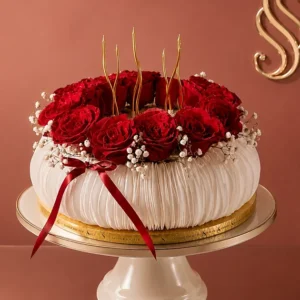
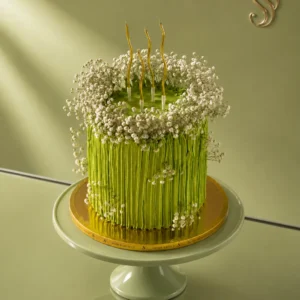
Presentation can differ dramatically through hand-finished details, flawless piping, and careful layering. Some kitchens prefer a highly minimalistic and refined presentation, focusing on sharp edges, smooth surfaces, and a single, elegant garnish. Others may embrace intricate, textured buttercream work or carefully arranged fresh florals.
Whatever the chosen aesthetic, the difference lies in the attention to detail. A properly finished cake looks deliberate and cohesive, reflecting the care taken during its assembly. It is this visual discipline that often sets a premium dessert apart from a standard commercial bake.
Can an Artisan Cake Be Customised?
If you need custom cakes, Singapore pastry teams can often accommodate specific requests, but the level of customisation varies greatly depending on the kitchen. Customising an artisan bake involves more than simply writing a name on top; it requires thoughtful consideration of the occasion, flavour preferences, design, size, and serving requirements.
Because these desserts are typically made to order, bakers can often adjust elements to suit the event. This might mean altering the portion size to feed a larger crowd, tweaking a flavour profile to accommodate a specific preference, or aligning the external presentation with the theme of a celebration.
However, a reputable artisan bakery will also guide customers toward choices that maintain the structural integrity and flavour balance of the dessert. They will communicate openly about what types of designs work best with their specific style of buttercream or mousse, ensuring the final product looks beautiful while remaining delicious and stable throughout the event.
Occasions That Suit Artisan Cakes
Deciding whether to invest in an artisan bake often comes down to the nature of the event and what you want the dessert to contribute to the experience. While a regular cake is perfectly fine for an informal family gathering, there are specific scenarios where additional craftsmanship and attention to detail truly matter.
An artisan cake may be worth choosing for:
- Milestone birthdays: Significant ages often call for a centrepiece dessert that feels appropriately special and memorable.
- Intimate celebrations: When hosting a small group, the quality of the food is often highly scrutinised, making a premium dessert a great choice.
- Gifting: Sending a carefully crafted dessert serves as a thoughtful, high-quality gift for a loved one or a client.
- Corporate occasions: High-stakes corporate events or product launches benefit from beautifully presented, professional-grade confections.
- Food-focused gatherings: If the guests are culinary enthusiasts, an artisan bake with nuanced flavours will be highly appreciated.
- Celebrations where presentation matters: When the dessert doubles as a visual focal point for photographs and the overall aesthetic of the room.
What Should You Look for When Buying an Artisan Cake in Singapore?
If you are considering an artisan cake for your next event, evaluating a few key details can help you make an informed decision. Start by reviewing the ingredient and flavour descriptions. A baker who takes pride in their craft will typically provide clear details about the components, such as the origin of the chocolate or the type of fruit used. This transparency often indicates a thoughtful preparation approach.
You should also look for information regarding texture and presentation. High-quality bakeries usually describe the mouthfeel of their creations whether a sponge is light and airy or dense and fudgy giving you a better idea of the final eating experience. Furthermore, examine the portion size recommendations, as richer, well-balanced recipes often require smaller serving slices than standard supermarket alternatives.
Final Thoughts
Choosing between a standard dessert and an artisan bake should not simply be about the label or the price tag. It is about understanding the value of craftsmanship, the impact of high-quality ingredients, and the dedication required to achieve genuine flavour and freshness.
FAQs
Why do handcrafted bakes often expire faster than regular supermarket options?
Standard commercial desserts frequently contain artificial preservatives and stabilisers designed to keep them sitting on shelves for longer periods. A handcrafted dessert prioritises fresh, natural components such as real dairy, fruit curds, and fresh cream without chemical additives. Because of these highly perishable ingredients, they typically need to be consumed within two to three days and require proper refrigeration.
Why do premium desserts sometimes taste less sweet than standard commercial ones?
Mass-produced goods often rely heavily on sugar as an inexpensive filler to provide volume and extend shelf life. Skilled bakers treat sugar as a seasoning to enhance a recipe rather than overpower it. By letting the natural flavours of high-quality components shine such as using tart fruit purees or high-percentage dark chocolate the overall profile becomes richer, more complex, and noticeably less sugary.
Can a freshly made cake be left out on display in Singapore’s warm weather?
Because high-quality bakes utilise real butter and fresh dairy rather than shortening or synthetic stabilisers, they are highly sensitive to temperature. In a warm and humid tropical climate, buttercream and mousse will soften or melt quickly. It is strongly recommended to keep the dessert refrigerated until shortly before the event, and it should only be displayed in a cool, air-conditioned room for a maximum of one to two hours before slicing.
Why are traditionally baked sponges often heavier than mass-produced versions?
Automated factories frequently use commercial aerating agents and emulsifiers to pump air into the batter, creating a very light, fluffy sponge that uses fewer raw ingredients. A traditional kitchen relies on the natural structure provided by real butter, eggs, and flour. This approach creates a slightly denser, much richer crumb that tastes better and provides the necessary structural support for heavy fillings and intricate designs.
How much notice is typically required when ordering a custom dessert?
Unlike high-volume businesses that pull pre-baked sponges from a large frozen inventory, smaller kitchens prepare components specifically for each order. The multi-step process of baking, cooling, layering, resting, and final decorating requires dedicated time. Most specialty kitchens require a minimum lead time of three to five days, while intricate designs often require one to two weeks of advance notice to secure a spot in their production schedule.